
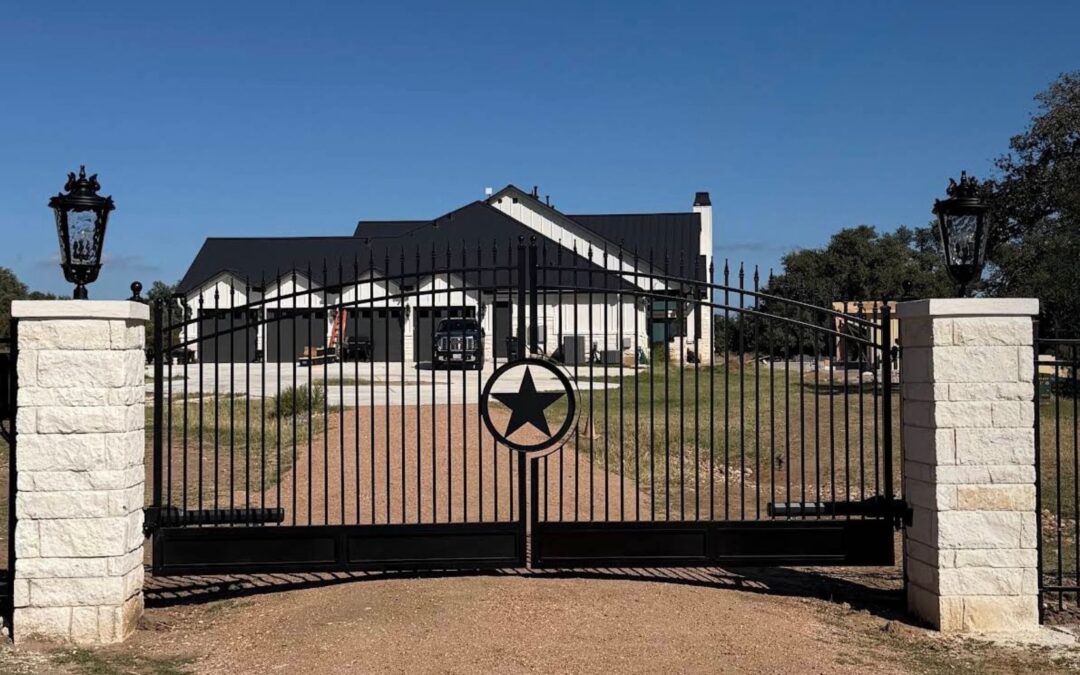
Choosing the right fence for a farm or ranch involves much more than marking the edge of a property. Rural fencing may need to contain livestock, protect equipment, control access, define property lines, and support the way people and vehicles move across the land every day.
For San Antonio-area property owners, the best fencing solution starts with understanding how the property is actually used. Acreage, terrain, livestock, equipment access, gate locations, security concerns, and ongoing maintenance can all influence the final design.
When considering farm and ranch fencing in San Antonio, focus on building a fence system around the needs of the land rather than simply selecting a material based on appearance or price.
Rural Fencing Has a Different Job Than Backyard Fencing
Residential privacy fences are often built primarily for privacy, curb appeal, pets, and everyday backyard use. Farm and ranch fences typically have a much broader list of responsibilities.
Depending on the property, a rural fence may be expected to:
- Contain cattle, horses, goats, or other livestock
- Help keep animals away from roads or neighboring properties
- Define property lines and separate pastures
- Protect equipment, storage areas, or agricultural spaces
- Control access to portions of the property
- Support predator-control strategies
- Create practical entrances for trucks, trailers, tractors, and deliveries
- Separate animals or different uses within the same acreage
Superior Fence Company of San Antonio approaches farm and ranch fencing with these practical needs in mind. A successful ranch fence installation should complement the property’s daily operation rather than create unnecessary obstacles.
Start With What the Fence Needs to Protect or Contain
Before deciding where the fence should go, determine its primary purpose.
A fence designed for an equipment area has different requirements from one intended to contain livestock. Likewise, an interior pasture fence may serve a different purpose from a perimeter fence running along a roadway or property boundary.
Consider questions such as:
- What animals, if any, need to be contained?
- Are different animals kept in separate areas?
- Does the fence need to protect equipment or storage areas?
- Are there sections of the property that should have restricted access?
- Will the fence run along roads, neighboring properties, or open acreage?
- Do trucks, tractors, trailers, or other large vehicles regularly cross the fence line?
- Are multiple gates or entrances needed?
These answers help determine the fence layout, gate locations, access widths, and appropriate materials.
For properties involving animals, livestock fencing should be considered in relation to the specific animals on the property. Cattle, horses, goats, dogs, and other animals can have different containment requirements. A fence system should therefore be planned around the property’s actual livestock and workflow instead of relying on a one-size-fits-all approach.
Evaluate the Land Before Planning the Fence Line
The length of the fence is only one part of a farm or ranch fencing project. Property conditions can significantly affect installation.
Before moving forward, evaluate characteristics such as:
Terrain and Slopes
Changes in elevation can influence fence alignment, post placement, and installation methods. A fence crossing rolling or uneven land may require a different approach than one installed across a relatively level area.
Soil and Ground Conditions
Rocky areas, hard soil, drainage zones, and other ground conditions can affect how posts are installed and how the project is planned.
Brush and Existing Vegetation
Trees, brush, and overgrown fence lines may affect accessibility and determine where a new fence can reasonably be installed.
Drainage
Water movement across the property should be considered so the fence does not unnecessarily interfere with natural drainage or create avoidable maintenance problems.
Existing Fencing
Some properties already have partial fence lines, old posts, gates, or other structures. An installer should evaluate what can remain, what should be replaced, and how new fencing will connect to the existing layout.
Road Frontage and Property Boundaries
A perimeter or property fence in San Antonio may run alongside public roads, driveways, neighboring acreage, or easements. Accurate planning is important when determining where a new fence should be located.
An estimate should account for these site conditions rather than focusing only on the total number of linear feet.
Choose a Fence Based on Land Use
There is no single fence type that works equally well for every ranch or farm.
The right solution depends on what the fence needs to accomplish, the property’s layout, maintenance expectations, and budget.
A large property might also use more than one fencing solution. For example, perimeter fencing may have one purpose while a separate fenced equipment area has another.
When discussing ranch fence installation, ask your fencing contractor to explain which options make sense for each part of the property and why.
Superior Fence Company of San Antonio offers farm and ranch fencing solutions and can review material options based on a property’s individual needs. Because material availability and site requirements can vary, the final recommendation should be confirmed during the project evaluation.
Don't Overlook Equipment and Property Protection
Livestock containment is often the first thing people think about when discussing ranch fencing, but rural properties can also contain valuable equipment and work areas.
Tractors, trailers, tools, machinery, storage areas, and other property assets may benefit from designated fencing and controlled access.
A fence can help create separation between:
- Livestock and machinery
- Work areas and pastures
- Public-facing entrances and private portions of the property
- Storage locations and general acreage
- Residential areas and agricultural operations
For certain applications, Chain Link Fencing may also be worth discussing for equipment, utility, or other designated areas where visibility and controlled access are priorities.
The best layout depends on how the property operates and which areas require protection.
Gate Placement Is Just as Important as the Fence
A well-built fence can become frustrating if gates are too narrow, poorly located, or inconvenient for daily use.
Before installation, consider every vehicle and piece of equipment that may need to pass through the fence.
That may include:
- Pickup trucks
- Stock trailers
- Tractors
- Utility vehicles
- Mowers
- Delivery vehicles
- Maintenance equipment
- Emergency or service vehicles
Gate locations should also support the natural traffic patterns of the property.
Think About Long-Term Fence Maintenance
A ranch fence is exposed to weather, animals, vegetation, equipment, and normal property activity. Maintenance should therefore be part of the purchasing decision.
Before choosing a fence, ask about:
- Expected maintenance
- Post spacing and construction
- How the fence handles the intended daily use
- Areas that may require periodic inspection
- Gate hardware and adjustment
- Vegetation management near fence lines
- Repair considerations if a section is damaged
A lower initial price does not automatically mean a fence will be the best long-term value if it requires more upkeep than the property owner expects.
Likewise, paying for features that are unnecessary for the property’s actual use may not provide additional value.
A professional fencing plan should balance performance, budget, and realistic maintenance expectations.
Questions to Ask Before a Farm or Ranch Fence Installation
Before approving a fencing project, walk through the entire plan with your contractor.
Useful questions include:
- Which fencing options are appropriate for my livestock or intended use?
- How will terrain and soil conditions affect installation?
- Where should gates and entrances be located?
- How wide should gates be for my vehicles and equipment?
- How will the fence connect with existing fence lines?
- What maintenance should I expect?
- Are different fencing materials appropriate for different areas?
- How should road frontage and property boundaries be handled?
- Which areas of the property require additional security or access control?
- What factors could affect the final installation cost?
Discussing these details before construction can help prevent inconvenience and unexpected changes later.
Professional Farm and Ranch Fencing in San Antonio
The right rural fence should do more than surround acreage. It should support the way the property operates.
That means considering livestock, equipment, property lines, entrances, vehicles, terrain, maintenance, and long-term use as parts of one complete fencing system.
Superior Fence Company of San Antonio works with property owners to evaluate these needs and develop fencing solutions appropriate for farms, ranches, and larger properties.
Whether you’re replacing an existing fence, fencing new acreage, improving livestock containment, protecting equipment, or creating a more functional property entrance, planning around the land’s real-world use is the best place to start.
Explore our Farm & Ranch Fencing services to learn more about available solutions.
Request a Farm or Ranch Fence Quote
Need help planning farm and ranch fencing in San Antonio?
Request a farm or ranch fence quote from Superior Fence Company of San Antonio to review your livestock needs, property layout, equipment access, gates, and overall property protection requirements.
Contact Us to discuss your farm or ranch fencing project.
FAQ's About Farm and Ranch Fencing
1. What type of fencing is best for a farm or ranch in San Antonio?
The best farm and ranch fencing in San Antonio depends on how the property is used, what needs to be contained or protected, the terrain, access requirements, maintenance expectations, and budget. Livestock areas, equipment yards, property boundaries, and entrances may require different fencing solutions. A professional site evaluation can help determine the right materials and layout for each part of the property.
2. What should I consider when choosing livestock fencing?
When choosing livestock fencing, consider the type of animals being contained, the size and layout of the pasture, terrain, gate locations, road frontage, and how animals and equipment move through the property. Cattle, horses, goats, and other animals can have different containment needs, so the fence should be selected around the livestock and the property’s daily workflow.
3. How much does ranch fence installation cost in San Antonio?
The cost of ranch fence installation can vary based on the total linear footage, fence material, number and size of gates, terrain, soil conditions, accessibility, existing fencing, and other site-specific requirements. Because rural properties can differ significantly, an on-site estimate is usually the best way to determine an accurate project price.
4. Where should gates be placed on a farm or ranch fence?
Gate placement should reflect how trucks, trailers, tractors, livestock, deliveries, and other equipment move around the property. Gates should be positioned where vehicles can approach and turn safely while providing convenient access to pastures, equipment areas, and other frequently used sections. Larger properties may also benefit from custom gates and entrances designed around specific access requirements.
5. Can one property use different types of fencing?
Yes. A farm or ranch may benefit from different fencing solutions for different areas. For example, livestock areas, perimeter property lines, equipment yards, and entrances may each have different requirements. Superior Fence Company of San Antonio can review the property layout and recommend fencing options based on livestock, access, security, maintenance, and property protection needs.
